
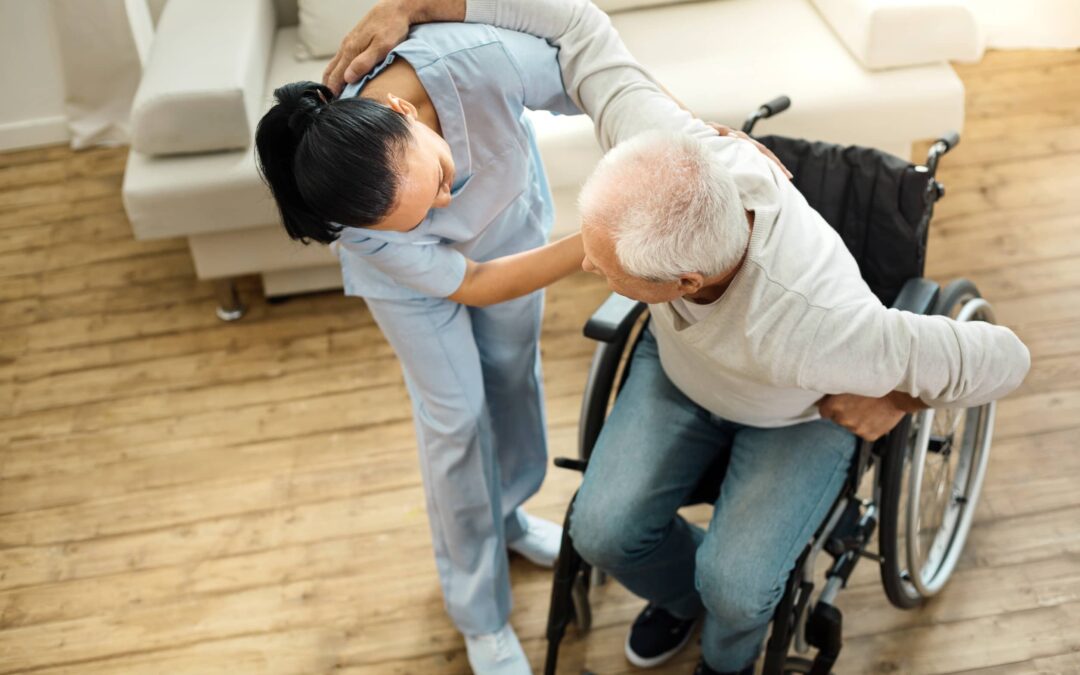
Parkinson’s disease is a progressive neurological disorder that primarily affects motor function, leading to symptoms such as tremors, stiffness, and impaired balance. For seniors living with Parkinson’s, maintaining a high quality of life can become increasingly difficult as the disease progresses. However, with the right support, seniors can continue to live independently and comfortably at home for as long as possible. Home care services provide a lifeline for those with Parkinson’s disease, offering personalized assistance tailored to the individual’s unique needs. In Essex County, caregivers with specialized training and knowledge about Parkinson’s disease can help seniors manage their symptoms and improve their overall well-being.
Understanding Parkinson’s Disease and Its Impact on Seniors
Parkinson’s disease typically affects individuals over the age of 60, though it can occur earlier. As a progressive condition, its symptoms worsen over time, making daily tasks increasingly challenging. The main symptoms of Parkinson’s disease include:
- Tremors – Involuntary shaking, particularly in the hands or arms.
- Bradykinesia – Slowness of movement and difficulty initiating or completing tasks.
- Rigidity – Muscle stiffness and resistance to movement.
- Postural instability – Impaired balance and an increased risk of falls.
As these symptoms progress, seniors may struggle with basic activities such as walking, dressing, cooking, and bathing. This can lead to a decline in their independence, which can be frustrating and emotionally challenging.
The Role of Home Care for Seniors with Parkinson’s Disease

Home care services are designed to offer support and care in a familiar and comfortable environment, allowing seniors with Parkinson’s disease to maintain their independence and dignity. For those living in Essex County, local home care agencies provide a range of services to assist seniors at various stages of Parkinson’s disease.
1. Personalized Assistance with Daily Activities
Seniors with Parkinson’s often find routine tasks more difficult as their symptoms progress. Home care aides can provide hands-on support with essential activities such as:
- Personal hygiene and grooming – Assisting with bathing, dressing, and grooming tasks to ensure seniors maintain good hygiene and feel confident.
- Mobility support – Helping seniors move around the home safely and preventing falls, a common concern for those with Parkinson’s disease.
- Meal preparation – Preparing nutritious meals that are easy to eat and follow dietary recommendations, which is important for managing symptoms and overall health.
Personalized care ensures that seniors receive the right level of assistance to maintain their independence while also protecting their safety.
2. Medication Management
Managing medications is a critical aspect of Parkinson’s disease treatment. Parkinson’s medications, such as levodopa and dopamine agonists, help manage symptoms, but they must be taken on a strict schedule to be effective. A home care aide can:
- Monitor medication schedules – Ensuring that medications are taken at the correct times and in the correct doses.
- Assist with prescriptions – Helping to organize refills and keep track of prescriptions, preventing missed doses or medication errors.
- Provide reminders – Offering gentle reminders when it is time to take medications or visit the doctor for checkups.
By managing medications effectively, home care helps improve symptom control and quality of life.
3. Support for Physical Therapy and Exercise Programs
Exercise is essential for seniors with Parkinson’s disease, as it helps maintain mobility, flexibility, and balance. Home care services often include coordination with physical therapists to ensure that seniors are following an exercise program that is tailored to their needs. This can include:
- Assisting with exercises – Helping seniors with exercises designed to improve strength, flexibility, and motor function.
- Providing encouragement – Motivating seniors to stay active and engaged in their physical therapy programs.
- Safety supervision – Ensuring that exercises are done safely to prevent falls or injury.
A consistent physical therapy routine can slow the progression of symptoms and improve overall mobility.
4. Cognitive and Emotional Support
In addition to physical symptoms, Parkinson’s disease can affect a person’s cognitive function and emotional well-being. Seniors with Parkinson’s may experience:
- Cognitive changes – Such as memory loss, confusion, or difficulty concentrating.
- Depression and anxiety – Which are common among those dealing with a chronic illness.
Home care services can offer emotional and cognitive support in various ways:
- Companionship – Aides provide friendly interaction, conversation, and companionship, which helps combat feelings of isolation and loneliness.
- Cognitive exercises – Helping seniors engage in brain-stimulating activities, such as puzzles or memory exercises, to keep their minds sharp.
- Emotional support – Offering reassurance and understanding during difficult moments, which can be important for managing stress, anxiety, or depression.
Seniors who feel emotionally supported and engaged in their care are more likely to maintain a positive outlook and better overall well-being.
5. Reducing the Risk of Falls
Falls are a significant concern for seniors with Parkinson’s disease, as impaired balance and rigidity can increase the risk of injury. Home care services can help prevent falls in several ways:
- Fall-proofing the home – Home care agencies can assess the home environment and make recommendations to improve safety, such as removing tripping hazards, adding grab bars, or improving lighting.
- Supervision during movement – Aides can help seniors move around the house safely, providing a steadying hand and ensuring they don’t lose their balance.
- Encouraging the use of mobility aids – For those who require walkers or canes, home care aides can help ensure that these tools are used correctly.
By creating a safer environment and offering mobility assistance, home care services significantly reduce the risk of falls.
How Home Care Agencies in Essex County Help Seniors with Parkinson’s Disease

In Essex County, a number of home care agencies specialize in providing tailored services for seniors with Parkinson’s disease. These agencies employ trained caregivers who understand the unique challenges of Parkinson’s and provide compassionate, hands-on care.
1. Trained and Experienced Caregivers
Caregivers working with seniors who have Parkinson’s disease are often specially trained in the condition’s symptoms, progression, and care strategies. They are familiar with techniques for managing tremors, helping with mobility, and supporting communication difficulties. By hiring a caregiver with specialized training, families can feel confident that their loved ones are in good hands.
2. Comprehensive Care Plans
Each senior’s needs are different, and a one-size-fits-all approach does not work for Parkinson’s care. Home care agencies in Essex County develop personalized care plans based on the individual’s condition, preferences, and goals. These care plans are flexible and can be adjusted as the disease progresses.
3. Family Support and Education
Parkinson’s disease not only affects the individual but also their family. Home care agencies often provide family support, including guidance on how to manage the disease, what to expect as symptoms progress, and how to provide emotional support. They can also assist families in navigating the complexities of medical appointments, insurance, and community resources.
The Importance of Home Care for Seniors with Parkinson’s Disease in Essex County
Parkinson’s disease is a challenging condition for both seniors and their families. However, with the right support, seniors can continue to live fulfilling lives at home. Home care services in Essex County provide essential support for seniors with Parkinson’s disease, offering personalized assistance that improves quality of life, maintains independence, and reduces the risk of complications. From managing medications to providing mobility support and emotional care, home care plays a critical role in helping seniors with Parkinson’s disease live their best lives. If you or a loved one is living with Parkinson’s disease, consider exploring home care options in Essex County from Theresa’s Place #1 Home Care, to ensure that the journey ahead is as smooth and comfortable as possible.